
 8618016066282
 Get Contact

 中文简体
中文简体  English
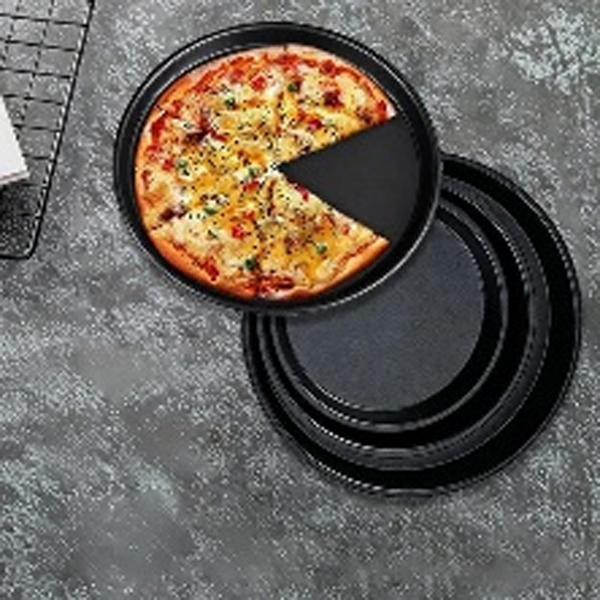
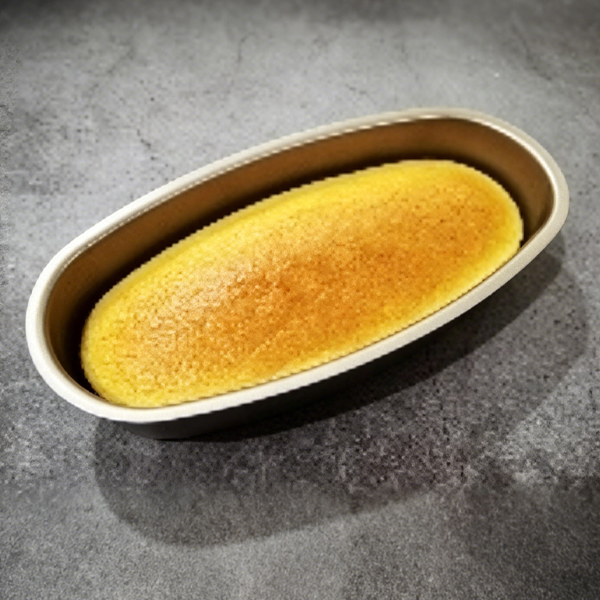
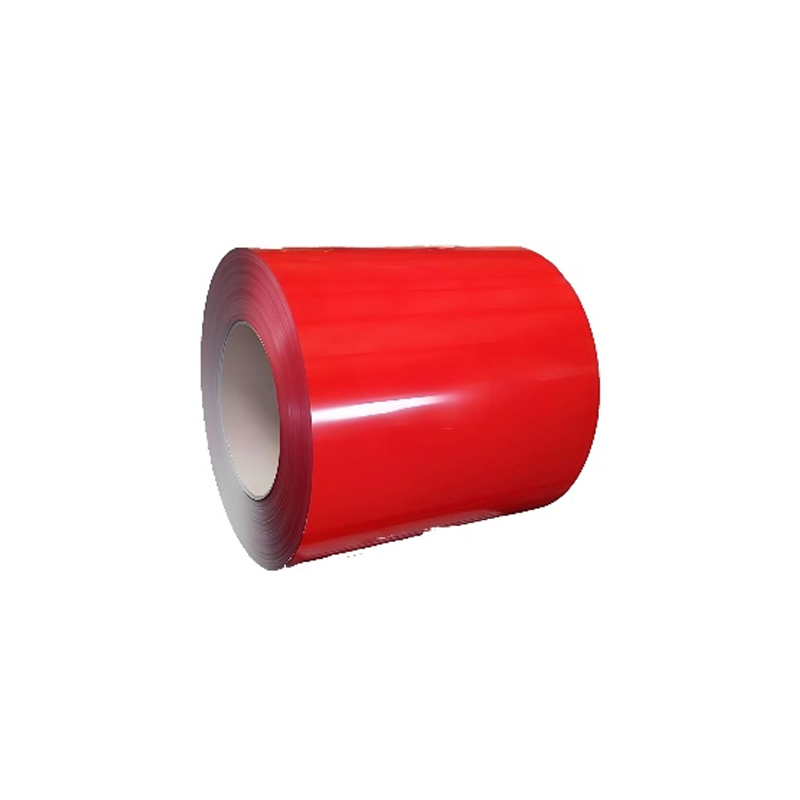
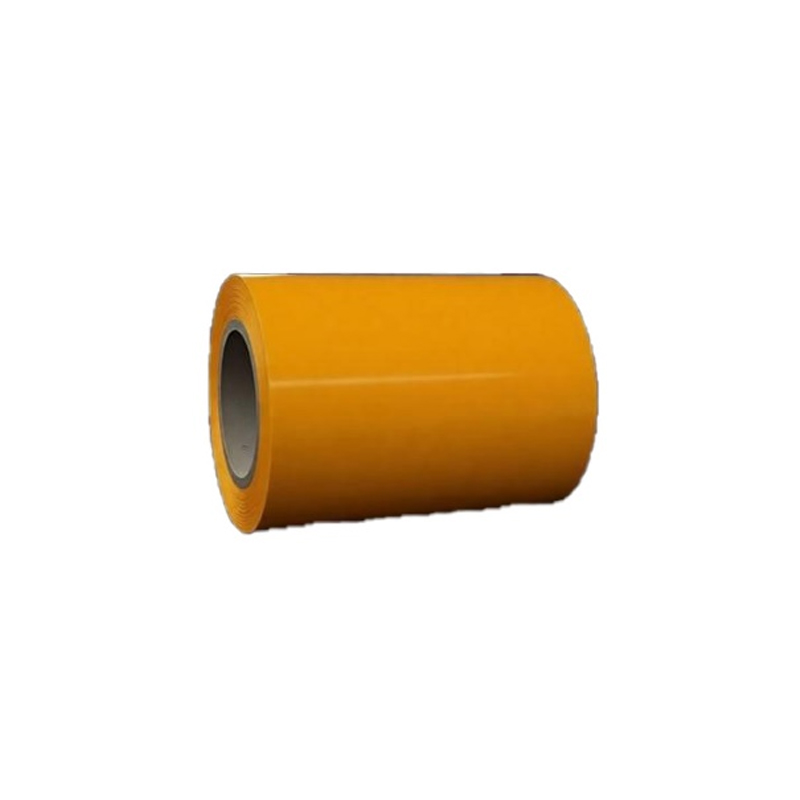
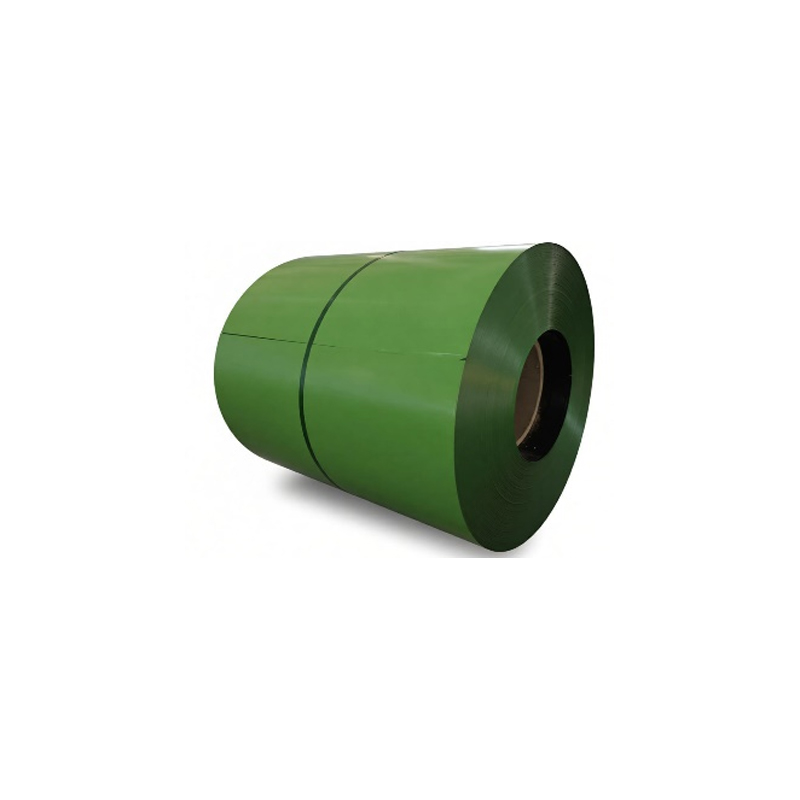

Ningbo Fengyi New Materials Co., Ltd. is located at No. 7, 2nd Road, Wanghai Industrial Park, Xidian Town, Ninghai County, Ningbo City, with a total area of approximately 19,000 square meters. Ningbo Fengyi New Materials Co., Ltd. is a brand new company established based on Shanghai Fenghang Industrial Automation Equipment Co., Ltd. Shanghai Fenghang Industrial Automation Equipment Co., Ltd. is an enterprise with the goal of developing comprehensive automation and information technology in the manufacturing industry. It designs, manufactures, installs and commissions color-coated steel plate production lines for customers. Shanghai Fenghang is a domestic enterprise that first engaged in the research and development and production of automated production equipment. It has long manufactured and installed various automated production lines for the Beijing Iron and Steel Research Institute. It is also a domestic enterprise that first used roller coating on baking mold materials. It has designed and manufactured color coating production lines for dozens of companies at home and abroad. The coatings produced by Shanghai Fenghang have passed the certification of standard legal standards worldwide and are a long-term strategic partner of Switzerland's Easy Coatings Co., Ltd. As a brand new company, Ningbo Fengyi New Materials Co., Ltd. has made new breakthroughs in coil coating, introduced advanced equipment to build a brand new advanced production line, and is also more focused on the development of coated coils and finding more application areas. At the same time, we also have a professional R&D team, scientifically managed production lines, and advanced management concepts. Regarding product requirements, we can customize products according to customer requirements to meet the needs of different customers.

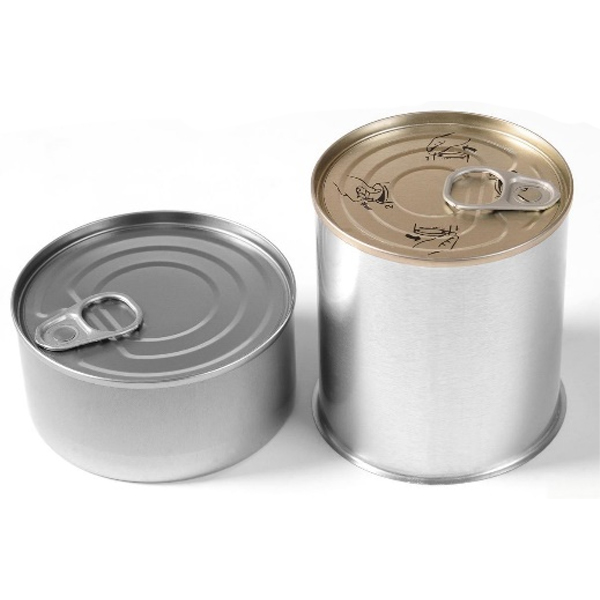
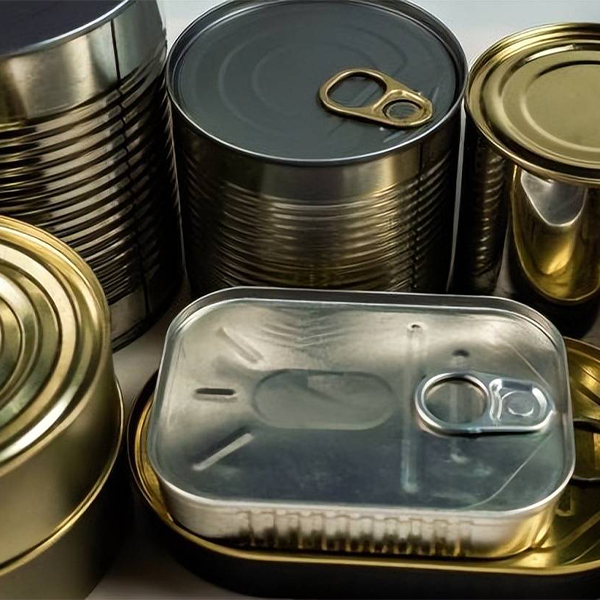
Anti-corrosion laminated food grade pre-coated tinplate can packaging substrate
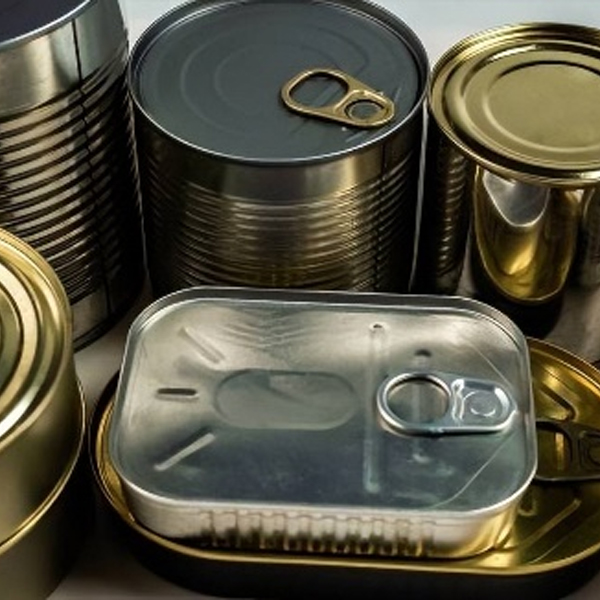
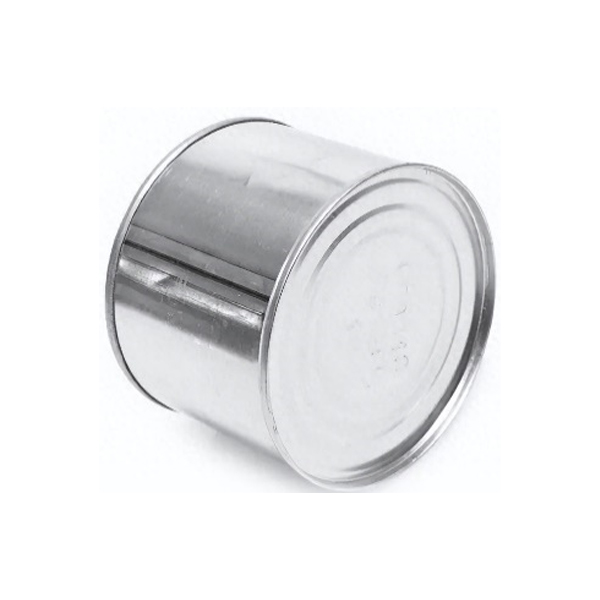
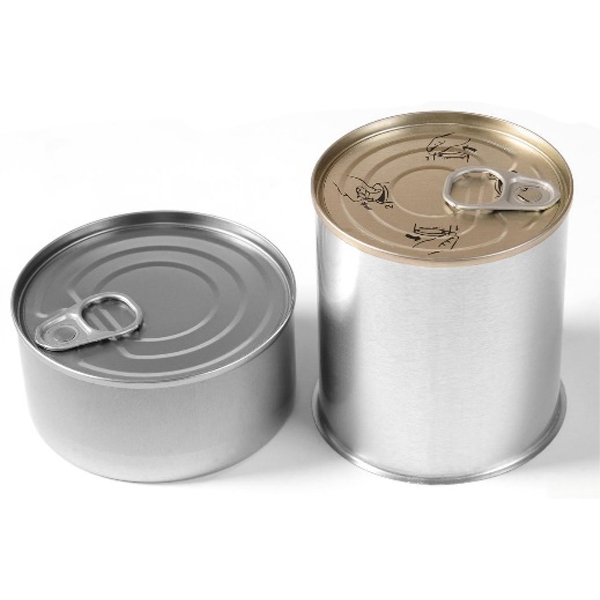
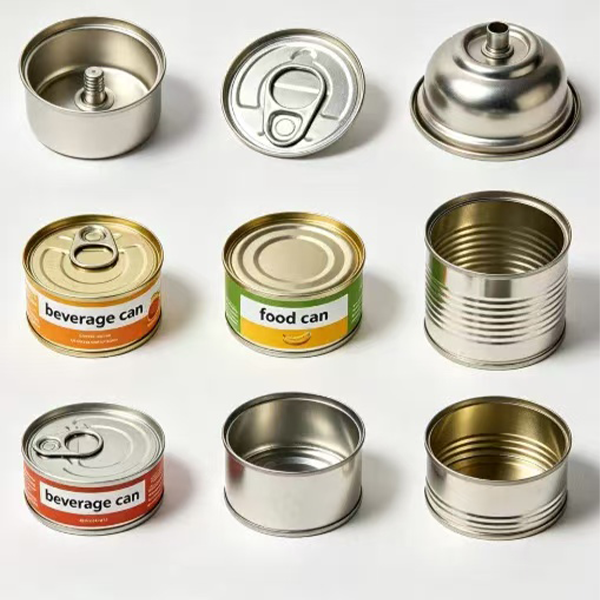
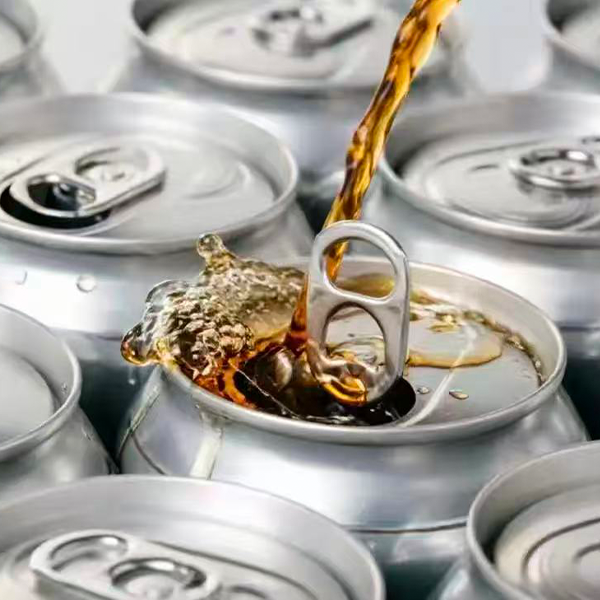
This product is food-grade tinplate base material, specially developed for sealed packaging scenarios such as various metal food cans, carbonated beverage cans, juice cans, sauce cans, cooked food cans and fruit cans. It adopts hot-dip tinning + precision cold rolling production technology and delivers rich, full color with prominent visual texture.
The base material adopts national standard galvanized steel strip, with zinc coating weight ≥80g/㎡. The front coating film thickness is 20μm, the back protective coating is 12μm, and coating adhesion reaches Level 0. The coating will not crack or peel after bending processing. It has four core advantages of sealing performance, corrosion resistance, welding stability and printing adaptability, and can be directly used for various can structures including three-piece cans, two-piece cans, pull-tab cans and twist-off lid cans.
The content focuses on four core pain points: procurement selection, production processing, long-term storage and compliance safety, helping can factories and packaging plants make quick decisions, while also covering common usage issues and selection suggestions.
Mainstream coating types
Epoxy phenolic coating: universal, suitable for canned meat, fruits and vegetables, and soups
Epoxy amino coating: stronger resistance to cooking and sulfur
Acrylic coating: high sulfur resistance, suitable for canned vegetables and sulfur-containing foods
Core Functions
Food-grade safety, barriers metal ion migration, complies with national standard GB 4806.10
Resistant to 121~127℃ high temperature and high pressure cooking sterilization
Acid and sulfur resistance, suitable for different food systems
The coating is flexible, and there are no pinholes or peeling after the can body is stamped and welded
Key performance parameters (GB/T 14251-2017)
1. Dry film coating amount
Epoxy phenolic coating: 3.5~6.0g/㎡
Epoxyamino coating: 4.0~6.5g/㎡
Acrylic coating: 3.0~5.5g/㎡
2. Maximum resistance to cooking
Epoxy phenolic coating: 127℃
Epoxyamino coating: 127℃
Acrylic coating: 121℃
3. Coating integrity
Epoxy phenolic coating: average current ≤ 15mA
Epoxyamino coating: average current ≤ 12mA
Acrylic coating: Average current ≤ 10mA
4. Sulfur resistance test
Epoxy phenolic coating: no blackening, no whitening
Epoxyamino coating: excellent sulfur resistance
Acrylic coating: Top-grade sulfur resistance
5. Acid resistance test
Epoxy phenolic coating: non-corrosive, non-foaming coating
Epoxyamino coating: resistant to strong acids
Acrylic coating: resistant to weak acids
6. Curing and baking conditions
Epoxy phenolic coating: 200~210℃/15min
Epoxyamino coating: 190~205℃
Acrylic coating: 180~195℃
I. Product Overview
This model is a food-grade tinplate substrate, specially developed for sealed packaging scenarios such as various metal food cans, carbonated beverage cans, juice beverage cans, sauce cans, cooked food cans, fruit cans, etc. It is produced by hot-dip tinning + precision cold rolling process. It has the four core advantages of sealing, corrosion resistance, welding stability, and printing adaptability. It can be directly used in three-piece cans, There are many can structures such as two-piece cans, pull-out cans, and twist-off lid cans. The copywriting focuses on four core pain points: procurement selection, production and processing, long-term storage, and compliance and safety, helping canneries and packaging plants make quick decisions, while also covering common usage issues and selection suggestions.
II. Core Materials and Process Description
Substrate grade: Made of food-grade MR T-4CA/DR-8 precision cold-rolled thin steel plate, with uniform internal grains, high plate flatness, no warping, no bulging, and no pinhole defects, suitable for continuous stamping and stretching in high-speed can production lines.
Tin plating structure: Double-sided uniform tin plating, the tin layer is divided into three specifications: standard tin layer, thick tin layer, and low tin layer. The tin layer has strong adhesion, no leakage plating or iron exposure, and can resist corrosion from acidic, oily, and high-sugar food media.
Passivation treatment: adopts the dual process of chromate passivation + oil film sealing, forming a dense protective layer on the surface to improve rust resistance, while ensuring the bonding strength with internal food coatings and external printing inks, so as not to cause paint loss or tin seepage problems.
Size specifications: Supports customized rolls and fixed-length sheets, with a thickness of 18mm~0.40mm and a width that can be cut according to can-making equipment, suitable for automated high-speed production lines and small and medium-batch manual can making.
III. Performance advantages in different scenarios (solving core pain points in the canning industry)
1. Advantages of canned fruit and acidic fruit juice beverage cans
Canned fruits, citrus drinks, hawthorn juice, and carbonated drinks have low pH values, which can easily corrode the can body, resulting in black spots on the inner wall, leaking cans, and tin ion precipitation problems.
This thick tin tin tin layer is dense and uniform. When paired with matching yellow/white coating on the food, it can effectively block the penetration of fruit acid and carbonic acid media and inhibit corrosion reaction. The shelf life of the finished canned goods at room temperature can reach 18~24 months, which meets food storage standards and eliminates the risk of bulk leakage and scrapping of cans.
2. Advantages of using cooked meat and canned sauces
Canned meat, luncheon meat, bean paste, tomato paste and other high-oil, high-salt and high-protein contents are prone to vulcanization reactions, causing black and vulcanized spots on the inner wall of the can.
The special passivation film can effectively resist vulcanization corrosion and reduce the incidence of black spots; the substrate has excellent toughness, the sealing and curling edges are not easy to crack, and the tank body does not deform or the weld does not crack during vacuum sterilization and high-temperature cooking (121 ℃ sterilization), ensuring the sealing integrity after high-temperature sterilization.
3. Advantages of neutral drinks and canned sugar water
Neutral media such as canned sugar water, purified water beverages, and plant protein beverages have higher requirements for the cleanliness of the cans and the printing effect.
The low-tin layer economical tinplate has a high surface finish, no oxidation spots, strong printing adhesion on the outer surface, clear and full color patterns, and accurate overprinting, making it suitable for high-end can appearance packaging; at the same time, it is lighter in weight, reducing can production costs and logistics weight.
IV. Guidelines for Key Selection Options in Procurement Decisions (Direct Comparison and Selection by Users)
Acidic foods/carbonated beverages: Priority is given to tinplate with a thick tin layer of 8g/㎡ or above, paired with food-grade epoxy phenolic inner coating to prevent corrosion and leakage of cans, suitable for products with long shelf life.
Meat, sauces, high-temperature cooking cans: choose standard tin layer + reinforced passivation type, base material is T4 hardness level, good curling performance, resistance to cooking and vulcanization.
Canned sugar water, neutral drinks, high-end gift box cans: choose low-tin high-gloss tinplate, with good printing effect, high cost performance, and suitable for short-term and medium-term storage at room temperature.
High-speed automated production line: It is recommended to purchase coil form, which has stable plate flatness and tension, reduces stamping card machines, tensile cracking, and improves production yield.
Small and medium batch customized tanks: Custom-cut sheet material can be selected to reduce cutting loss and flexibly adapt to the production of small-sized tanks.
V. Food Safety Compliance Instructions (Eliminate Qualification Concerns)
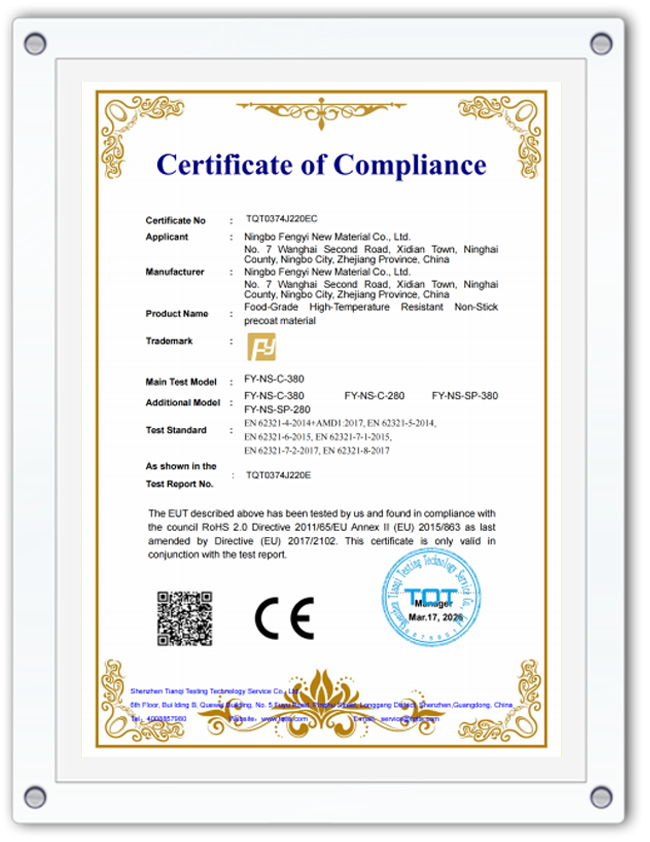
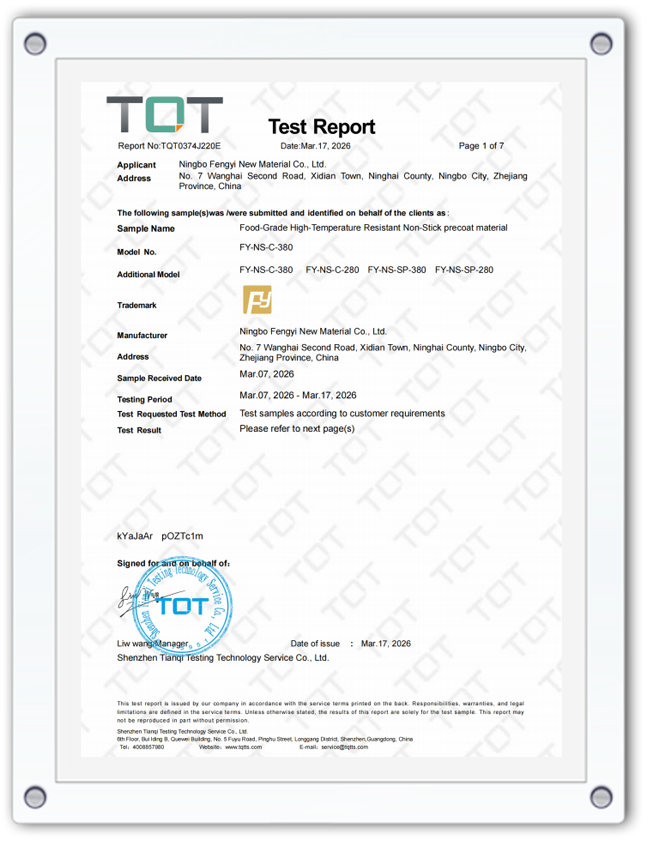
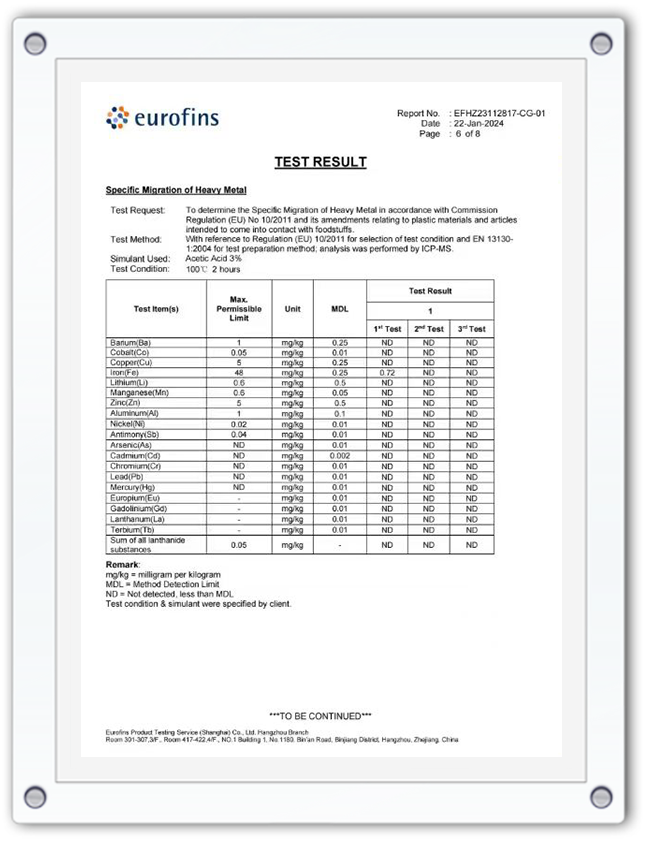
All batches of tinplate have passed food contact material safety testing and comply with China GB 4806.9 and EU 10/2011 food contact standards. The tin layer and passivation film have no risk of heavy metal migration and can directly contact various food and beverage media. Quality inspection reports and material certificates are provided for each batch, and can be used for export and foreign trade canned packaging.
VI. Answers to common usage questions (directly solving production pain points)
Q: Will black spots appear on the inner wall of tinplate cans?
A: Black spots are mostly caused by uneven tin layers, insufficient passivation, or sulfidation of the contents. Acidic/vulcanized foods require thick tin-reinforced passivation, which, combined with a special internal coating, can significantly reduce the problem of black spots.
Q: How to solve the problem of curled edge cracking in the tank after high temperature sterilization?
A: Prefer T4/DR8 tough substrate to avoid excessively hard plates; at the same time, control the thickness of tinplate. It is recommended that the thickness of the can be not less than 0.22mm. A pre-tensile test can be performed before crimping.
Q: What is the reason why ink tends to fall off after printing?
A: Oil stains on the board surface and excessively thick passivation film will affect adhesion. Our factory tinplate uses a special food-grade oil film, which is suitable for can printing ink. No additional oil removal is required before printing, and it can be used directly on the machine.
Q: Are tinplate sheets prone to rust during storage?
A: The boards are shipped in moisture-proof wrapped film + sealed wood tray packaging, and can be stored in indoor dry storage for more than 6 months; if the environment is humid, it is recommended to give priority to using thick tin layer models, and at the same time control the temperature and humidity of the warehouse to avoid condensation on the board surface.
- Product Details
- Product Parameters
I. Product Overview
This model is a food-grade tinplate substrate, specially developed for sealed packaging scenarios such as various metal food cans, carbonated beverage cans, juice beverage cans, sauce cans, cooked food cans, fruit cans, etc. It is produced by hot-dip tinning + precision cold rolling process. It has the four core advantages of sealing, corrosion resistance, welding stability, and printing adaptability. It can be directly used in three-piece cans, There are many can structures such as two-piece cans, pull-out cans, and twist-off lid cans. The copywriting focuses on four core pain points: procurement selection, production and processing, long-term storage, and compliance and safety, helping canneries and packaging plants make quick decisions, while also covering common usage issues and selection suggestions.
II. Core Materials and Process Description
Substrate grade: Made of food-grade MR T-4CA/DR-8 precision cold-rolled thin steel plate, with uniform internal grains, high plate flatness, no warping, no bulging, and no pinhole defects, suitable for continuous stamping and stretching in high-speed can production lines.
Tin plating structure: Double-sided uniform tin plating, the tin layer is divided into three specifications: standard tin layer, thick tin layer, and low tin layer. The tin layer has strong adhesion, no leakage plating or iron exposure, and can resist corrosion from acidic, oily, and high-sugar food media.
Passivation treatment: adopts the dual process of chromate passivation + oil film sealing, forming a dense protective layer on the surface to improve rust resistance, while ensuring the bonding strength with internal food coatings and external printing inks, so as not to cause paint loss or tin seepage problems.
Size specifications: Supports customized rolls and fixed-length sheets, with a thickness of 18mm~0.40mm and a width that can be cut according to can-making equipment, suitable for automated high-speed production lines and small and medium-batch manual can making.
III. Performance advantages in different scenarios (solving core pain points in the canning industry)
1. Advantages of canned fruit and acidic fruit juice beverage cans
Canned fruits, citrus drinks, hawthorn juice, and carbonated drinks have low pH values, which can easily corrode the can body, resulting in black spots on the inner wall, leaking cans, and tin ion precipitation problems.
This thick tin tin tin layer is dense and uniform. When paired with matching yellow/white coating on the food, it can effectively block the penetration of fruit acid and carbonic acid media and inhibit corrosion reaction. The shelf life of the finished canned goods at room temperature can reach 18~24 months, which meets food storage standards and eliminates the risk of bulk leakage and scrapping of cans.
2. Advantages of using cooked meat and canned sauces
Canned meat, luncheon meat, bean paste, tomato paste and other high-oil, high-salt and high-protein contents are prone to vulcanization reactions, causing black and vulcanized spots on the inner wall of the can.
The special passivation film can effectively resist vulcanization corrosion and reduce the incidence of black spots; the substrate has excellent toughness, the sealing and curling edges are not easy to crack, and the tank body does not deform or the weld does not crack during vacuum sterilization and high-temperature cooking (121 ℃ sterilization), ensuring the sealing integrity after high-temperature sterilization.
3. Advantages of neutral drinks and canned sugar water
Neutral media such as canned sugar water, purified water beverages, and plant protein beverages have higher requirements for the cleanliness of the cans and the printing effect.
The low-tin layer economical tinplate has a high surface finish, no oxidation spots, strong printing adhesion on the outer surface, clear and full color patterns, and accurate overprinting, making it suitable for high-end can appearance packaging; at the same time, it is lighter in weight, reducing can production costs and logistics weight.
IV. Guidelines for Key Selection Options in Procurement Decisions (Direct Comparison and Selection by Users)
Acidic foods/carbonated beverages: Priority is given to tinplate with a thick tin layer of 8g/㎡ or above, paired with food-grade epoxy phenolic inner coating to prevent corrosion and leakage of cans, suitable for products with long shelf life.
Meat, sauces, high-temperature cooking cans: choose standard tin layer + reinforced passivation type, base material is T4 hardness level, good curling performance, resistance to cooking and vulcanization.
Canned sugar water, neutral drinks, high-end gift box cans: choose low-tin high-gloss tinplate, with good printing effect, high cost performance, and suitable for short-term and medium-term storage at room temperature.
High-speed automated production line: It is recommended to purchase coil form, which has stable plate flatness and tension, reduces stamping card machines, tensile cracking, and improves production yield.
Small and medium batch customized tanks: Custom-cut sheet material can be selected to reduce cutting loss and flexibly adapt to the production of small-sized tanks.
V. Food Safety Compliance Instructions (Eliminate Qualification Concerns)
All batches of tinplate have passed food contact material safety testing and comply with China GB 4806.9 and EU 10/2011 food contact standards. The tin layer and passivation film have no risk of heavy metal migration and can directly contact various food and beverage media. Quality inspection reports and material certificates are provided for each batch, and can be used for export and foreign trade canned packaging.
VI. Answers to common usage questions (directly solving production pain points)
Q: Will black spots appear on the inner wall of tinplate cans?
A: Black spots are mostly caused by uneven tin layers, insufficient passivation, or sulfidation of the contents. Acidic/vulcanized foods require thick tin-reinforced passivation, which, combined with a special internal coating, can significantly reduce the problem of black spots.
Q: How to solve the problem of curled edge cracking in the tank after high temperature sterilization?
A: Prefer T4/DR8 tough substrate to avoid excessively hard plates; at the same time, control the thickness of tinplate. It is recommended that the thickness of the can be not less than 0.22mm. A pre-tensile test can be performed before crimping.
Q: What is the reason why ink tends to fall off after printing?
A: Oil stains on the board surface and excessively thick passivation film will affect adhesion. Our factory tinplate uses a special food-grade oil film, which is suitable for can printing ink. No additional oil removal is required before printing, and it can be used directly on the machine.
Q: Are tinplate sheets prone to rust during storage?
A: The boards are shipped in moisture-proof wrapped film + sealed wood tray packaging, and can be stored in indoor dry storage for more than 6 months; if the environment is humid, it is recommended to give priority to using thick tin layer models, and at the same time control the temperature and humidity of the warehouse to avoid condensation on the board surface.
Mainstream coating types
Epoxy phenolic coating: universal, suitable for canned meat, fruits and vegetables, and soups
Epoxy amino coating: stronger resistance to cooking and sulfur
Acrylic coating: high sulfur resistance, suitable for canned vegetables and sulfur-containing foods
Core Functions
Food-grade safety, barriers metal ion migration, complies with national standard GB 4806.10
Resistant to 121~127℃ high temperature and high pressure cooking sterilization
Acid and sulfur resistance, suitable for different food systems
The coating is flexible, and there are no pinholes or peeling after the can body is stamped and welded
Key performance parameters (GB/T 14251-2017)
1. Dry film coating amount
Epoxy phenolic coating: 3.5~6.0g/㎡
Epoxyamino coating: 4.0~6.5g/㎡
Acrylic coating: 3.0~5.5g/㎡
2. Maximum resistance to cooking
Epoxy phenolic coating: 127℃
Epoxyamino coating: 127℃
Acrylic coating: 121℃
3. Coating integrity
Epoxy phenolic coating: average current ≤ 15mA
Epoxyamino coating: average current ≤ 12mA
Acrylic coating: Average current ≤ 10mA
4. Sulfur resistance test
Epoxy phenolic coating: no blackening, no whitening
Epoxyamino coating: excellent sulfur resistance
Acrylic coating: Top-grade sulfur resistance
5. Acid resistance test
Epoxy phenolic coating: non-corrosive, non-foaming coating
Epoxyamino coating: resistant to strong acids
Acrylic coating: resistant to weak acids
6. Curing and baking conditions
Epoxy phenolic coating: 200~210℃/15min
Epoxyamino coating: 190~205℃
Acrylic coating: 180~195℃



Contact Us:
Telephone:8618016066282 Email:yvonne@fycoatedcoil.com
Whatsapp:8618768526161
Address:No. 7, Wanghai 2nd Road, Wanghai Industrial Park, Xidian Town, Ninghai County, Ningbo City, Zhejiang Province
Copyright © 2026 Ningbo Fengyi New Materials Co., Ltd. All Rights Reserved.
