 8618016066282
 Get Contact

 中文简体
中文简体  English
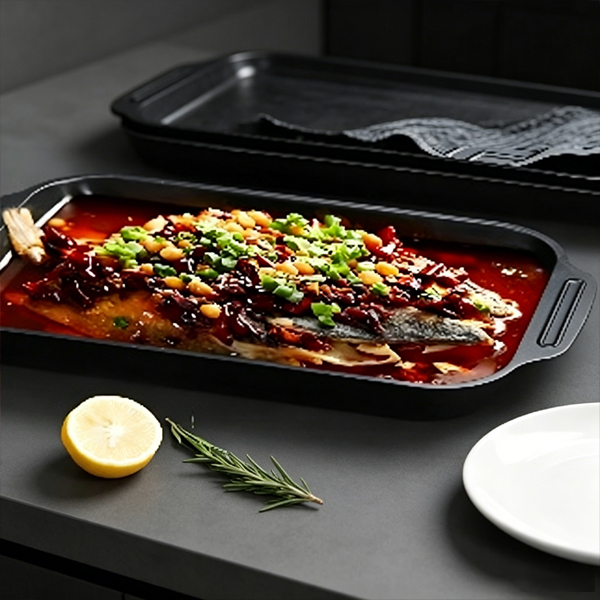
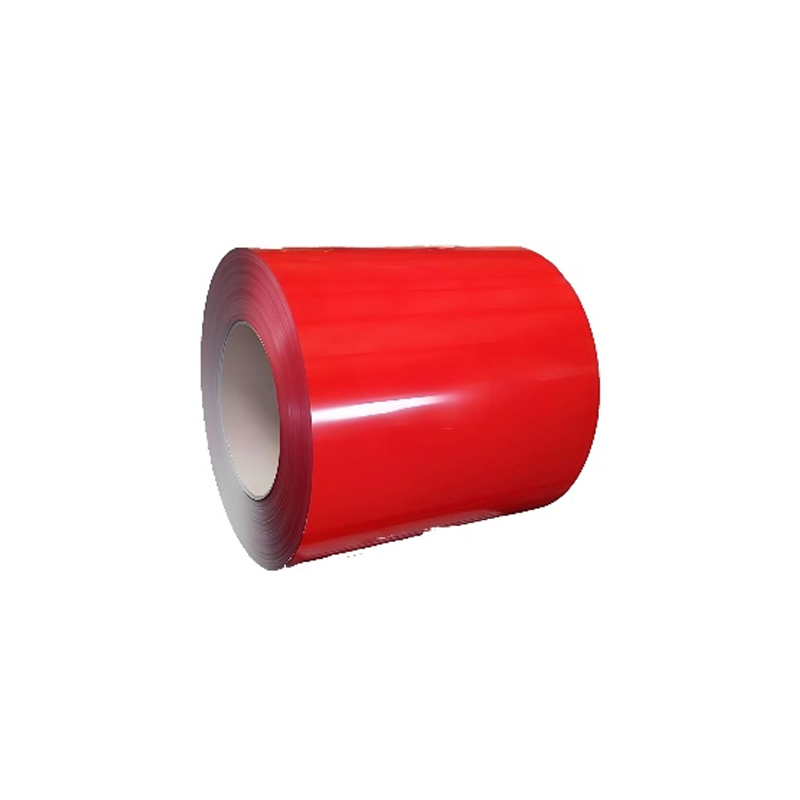
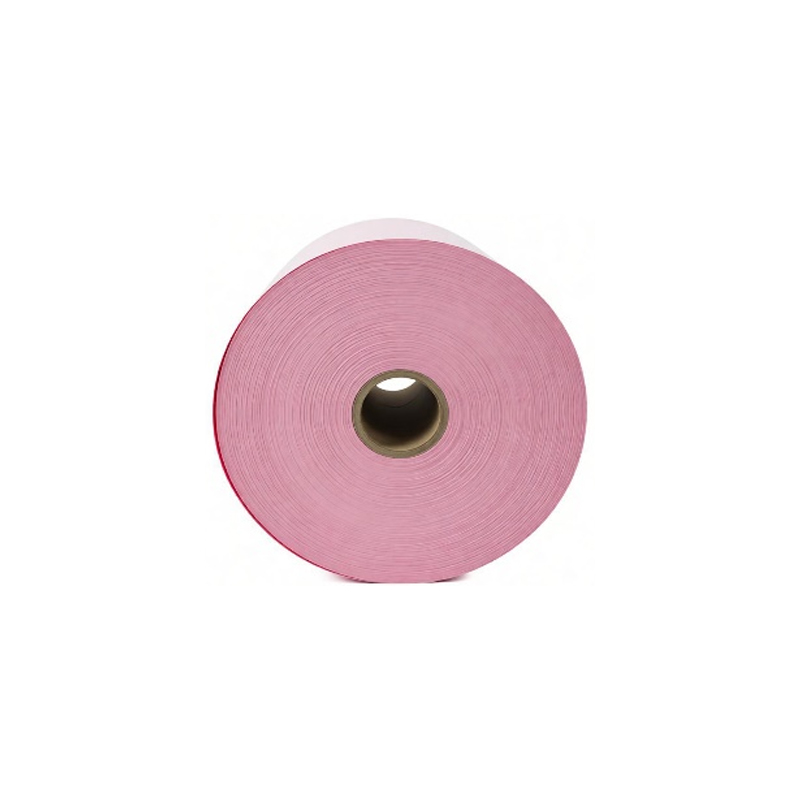
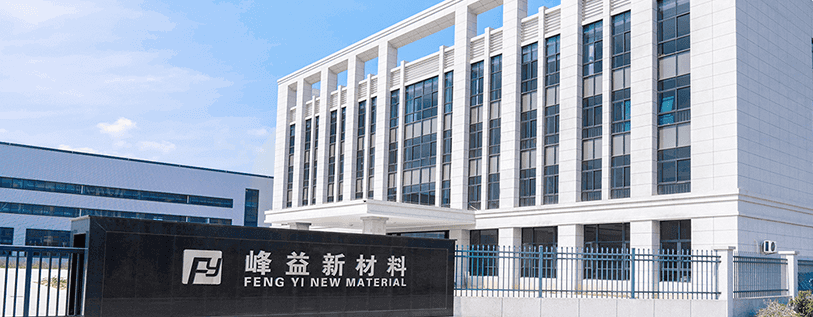
Ningbo Fengyi New Materials Co., Ltd. is located at No. 7, 2nd Road, Wanghai Industrial Park, Xidian Town, Ninghai County, Ningbo City, with a total area of approximately 19,000 square meters. Ningbo Fengyi New Materials Co., Ltd. is a brand new company established based on Shanghai Fenghang Industrial Automation Equipment Co., Ltd. Shanghai Fenghang Industrial Automation Equipment Co., Ltd. is an enterprise with the goal of developing comprehensive automation and information technology in the manufacturing industry. It designs, manufactures, installs and commissions color-coated steel plate production lines for customers. Shanghai Fenghang is a domestic enterprise that first engaged in the research and development and production of automated production equipment. It has long manufactured and installed various automated production lines for the Beijing Iron and Steel Research Institute. It is also a domestic enterprise that first used roller coating on baking mold materials. It has designed and manufactured color coating production lines for dozens of companies at home and abroad. The coatings produced by Shanghai Fenghang have passed the certification of standard legal standards worldwide and are a long-term strategic partner of Switzerland's Easy Coatings Co., Ltd. As a brand new company, Ningbo Fengyi New Materials Co., Ltd. has made new breakthroughs in coil coating, introduced advanced equipment to build a brand new advanced production line, and is also more focused on the development of coated coils and finding more application areas. At the same time, we also have a professional R&D team, scientifically managed production lines, and advanced management concepts. Regarding product requirements, we can customize products according to customer requirements to meet the needs of different customers.

Pre-coated panels for waterproof, weather-resistant and anti-corrosion buildings
Waterproof, Weather & Corrosion Resistant Pre-Coated Panels for Construction
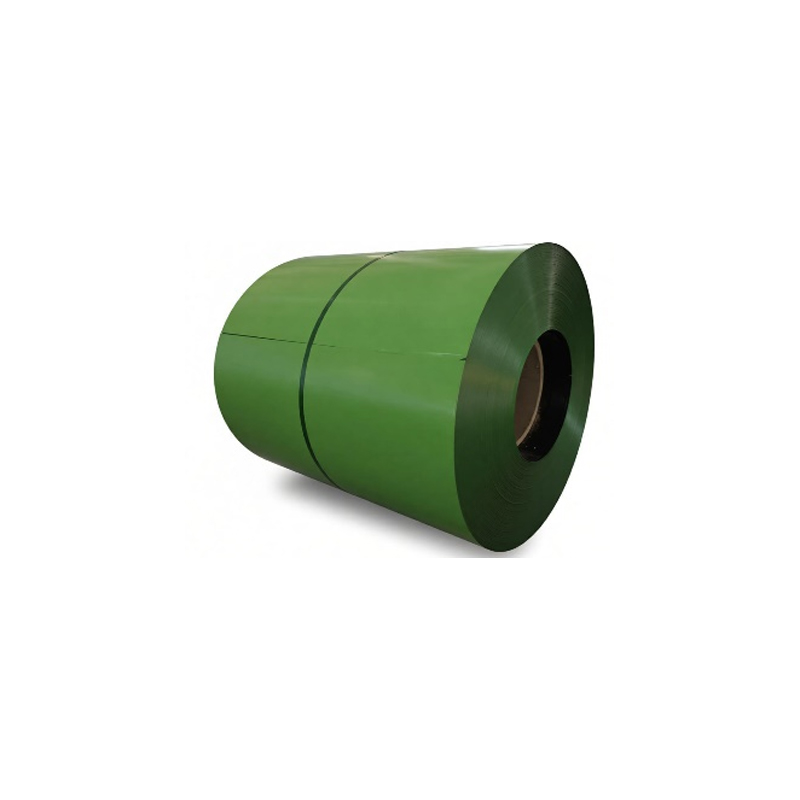
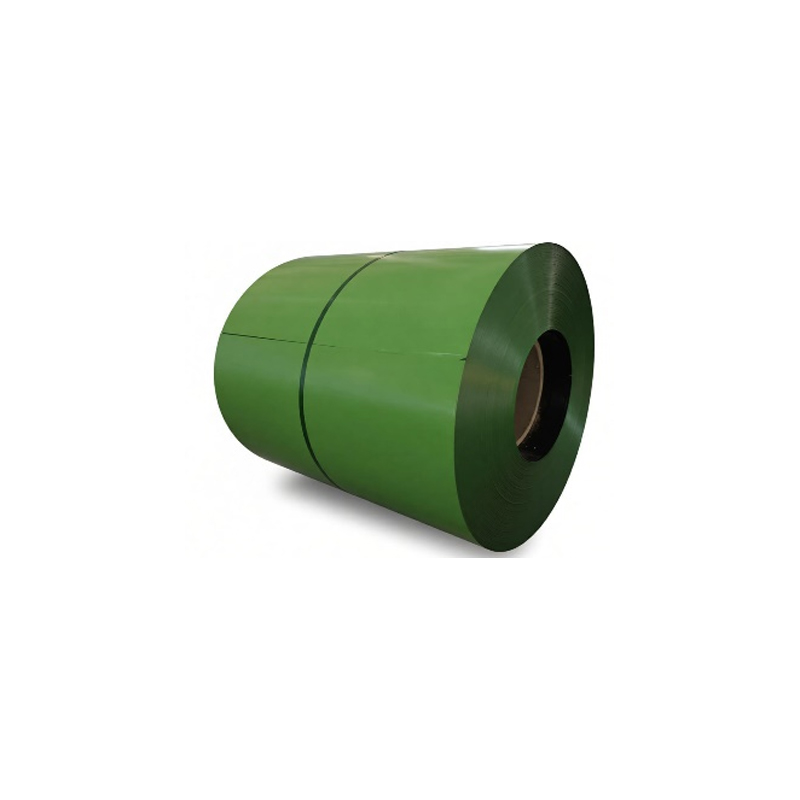
Bean green pre-coated color steel plates feature an ecological natural style with low-saturation bean green color schemes. The aluminum-zinc coated substrates adopt eco-friendly water-based modified coatings, which contain no formaldehyde or heavy metals and comply with environmental protection standards for green buildings.
Plant-based weather-resistant additives are blended into the coating to deliver soft, non-glare color tones that blend harmoniously with green vegetation, mountain landscapes, woodlands and park green spaces. The sheets are lightweight and easy to install, meeting enclosure demands for green constructions and ecological parks. Custom forming options including flat sheets, corrugated panels and antique tile profiles are available.
Mainstream coating types
High-weather-resistant polyester HDP coating: the first choice for cost-effectiveness, suitable for domestic factories and ordinary buildings
Fluorocarbon PVDF coating: high-end model for coastal, high UV, and chemical corrosive environments
Ordinary polyester PE coating: used for interior wall panels and suspended ceilings
Core Functions
Ultra-weather resistant and UV resistant, it will not fade or powder outdoors for a long time
Resistant to acid rain, salt spray, and chemical gas corrosion, waterproof and impermeable
Excellent flexibility, no cracking during bending and roller pressing
Self-cleaning, stain-resistant, and reduces later maintenance costs
Key performance parameters (JC/T 2607-2021 national standard)
1. Outdoor warranty period
High weather resistance polyester HDP: 8~15 years
Fluorocarbon PVDF: 15~25 years
Ordinary polyester PE: 5~8 years
2. Total coating thickness
High weather resistance polyester HDP: ≥25μm
Fluorocarbon PVDF: ≥23μm
Ordinary polyester PE: ≥20μm
3. 60° Luster
High weather-resistant polyester HDP: 5~10° matte
Fluorocarbon PVDF: 5~20° low light
Ordinary polyester PE: Customizable with any gloss
4. Divider adhesion
High weather resistance polyester HDP, fluorocarbon PVDF, and ordinary polyester PE: all are grade 0
5. Pencil hardness
High weather resistance polyester HDP: ≥HB
Fluorocarbon PVDF: ≥H
Ordinary polyester PE: ≥HB
6. Neutral salt spray
High weather resistance polyester HDP: ≥500h
Fluorocarbon PVDF: ≥800h
Ordinary polyester PE: ≥300h
7. QUV Accelerated Aging
High weather-resistant polyester HDP: 2000h, light retention ≥ 70%
Fluorocarbon PVDF: 3000h, light retention ≥ 80%
Ordinary polyester PE: 1500h, light retention rate ≥ 60%
Product Core Introduction
The bean green pre-coated colored steel plate focuses on ecological nature and adopts a low-saturation bean green color scheme. The aluminum-zinc coated substrate is equipped with an environmentally friendly water-based modified coating. It is formaldehyde-free and heavy metal-free, and meets the environmental protection standards for green buildings. The coating is coated with plant weather-resistant additives, the color is soft and non-glaring, and it is highly integrated with green plants, mountains, forests, and park green environments. The boards are lightweight and easy to install, suitable for the enclosure needs of green buildings and ecological parks, and can be made into various shapes such as flat plates, corrugated plates, and antique tiles.
Adapt to usage scenarios (solve the pain points of scenario matching)
The core is adapted to ecological industrial parks, supporting buildings of scenic spots, seedling greenhouses, municipal green enclosures, facades of rural revitalization homestays, and supporting buildings of forest parks. Bean green can weaken the industrial feel of steel structures, naturally connect with surrounding green plants, and create immersive ecological buildings; at the same time, it can adapt to the antique transformation of scenic spots and homestays, taking into account the durability of modern panels and natural visual effects.
Core performance advantages (addressing long-term usage pain points)
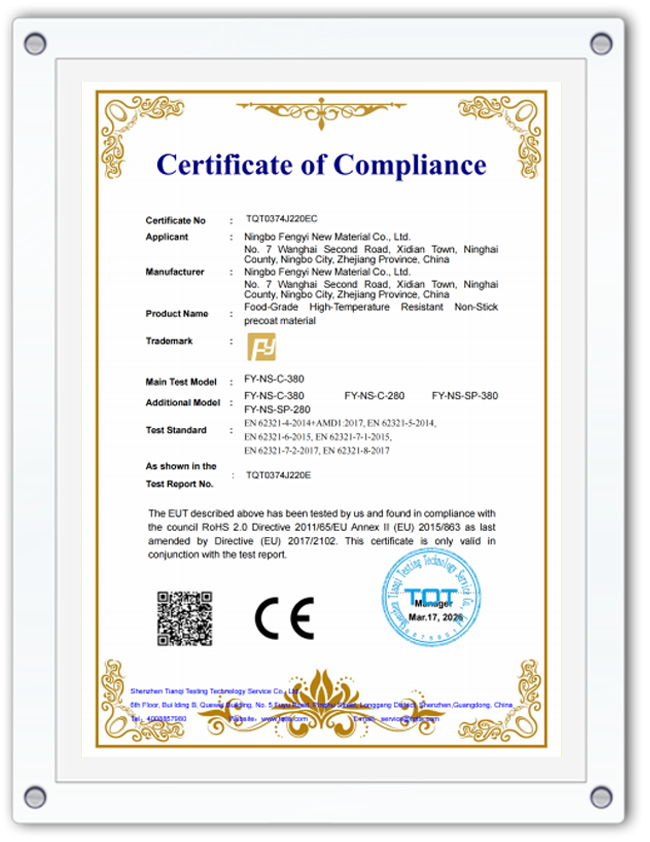
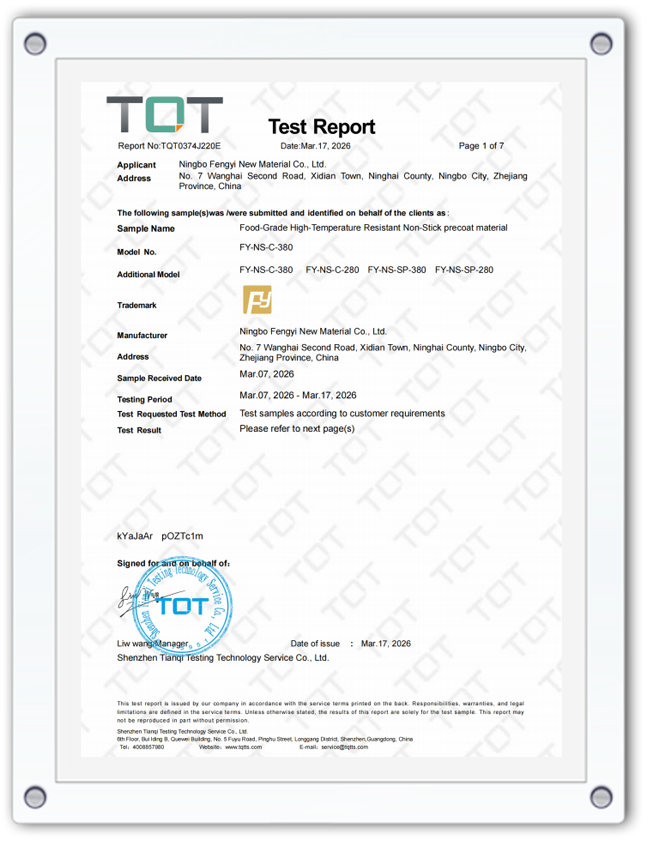
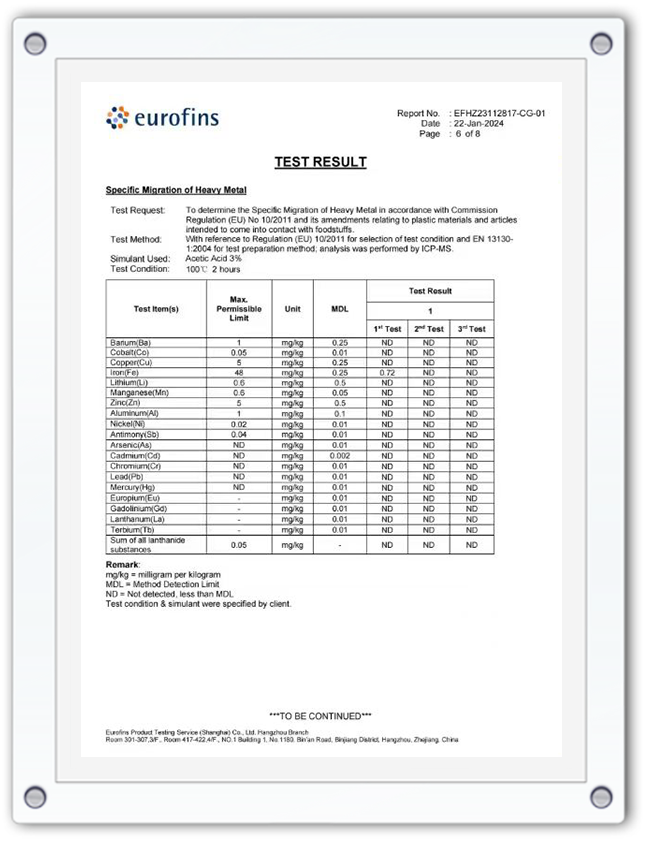
Environmentally friendly and zero-pollution: The water-based coating has passed EU RoHS testing, has no irritating odor, and will not release harmful substances when used indoors or outdoors in scenic spots and homestays, meeting green building evaluation standards;
Mold-resistant moss: The coating has a antibacterial formula. In scenic areas with high humidity and dense green plants, the board surface is less likely to grow moss and mold, avoiding black spots and coating rot problems;
Lightweight construction: Aluminized zinc substrates have lower density and are lighter than galvanized sheets at the same thickness, reducing building loads, making installation of scenic mountain projects more convenient, and shortening construction cycles.
Purchase decision advice (precise selection reference)
Ecological scenic spots, rural homestays, and green industrial parks are preferred, pursuing the preferred color system that integrates architecture and nature; for high humidity and multi-green environments, it is recommended to choose the aluminum-zinc coated substrate version, which has better anti-mold and moisture resistance effects; if used in seedling greenhouses, the light-transmitting auxiliary version can be customized to take into account both sunshade and lighting needs.
Common usage questions and answers
Q: Will green color steel plates grow moss in humid scenic areas?
A: The special antibacterial coating can inhibit the adhesion of moss and mold. Regular and simple rinsing can keep the board surface clean. It is more suitable for high humidity ecological environment than ordinary green board.
Q: Will the water-based coating have poor wear resistance?
A: The water-based coating is combined with a hardening aid, and the hardness meets the standard. Daily wind and rain scour and minor dings will not damage the coating. The durability is the same as that of oil-based polyester board, and the environmental protection is better.
- Product Details
- Product Parameters
Product Core Introduction
The bean green pre-coated colored steel plate focuses on ecological nature and adopts a low-saturation bean green color scheme. The aluminum-zinc coated substrate is equipped with an environmentally friendly water-based modified coating. It is formaldehyde-free and heavy metal-free, and meets the environmental protection standards for green buildings. The coating is coated with plant weather-resistant additives, the color is soft and non-glaring, and it is highly integrated with green plants, mountains, forests, and park green environments. The boards are lightweight and easy to install, suitable for the enclosure needs of green buildings and ecological parks, and can be made into various shapes such as flat plates, corrugated plates, and antique tiles.
Adapt to usage scenarios (solve the pain points of scenario matching)
The core is adapted to ecological industrial parks, supporting buildings of scenic spots, seedling greenhouses, municipal green enclosures, facades of rural revitalization homestays, and supporting buildings of forest parks. Bean green can weaken the industrial feel of steel structures, naturally connect with surrounding green plants, and create immersive ecological buildings; at the same time, it can adapt to the antique transformation of scenic spots and homestays, taking into account the durability of modern panels and natural visual effects.
Core performance advantages (addressing long-term usage pain points)
Environmentally friendly and zero-pollution: The water-based coating has passed EU RoHS testing, has no irritating odor, and will not release harmful substances when used indoors or outdoors in scenic spots and homestays, meeting green building evaluation standards;
Mold-resistant moss: The coating has a antibacterial formula. In scenic areas with high humidity and dense green plants, the board surface is less likely to grow moss and mold, avoiding black spots and coating rot problems;
Lightweight construction: Aluminized zinc substrates have lower density and are lighter than galvanized sheets at the same thickness, reducing building loads, making installation of scenic mountain projects more convenient, and shortening construction cycles.
Purchase decision advice (precise selection reference)
Ecological scenic spots, rural homestays, and green industrial parks are preferred, pursuing the preferred color system that integrates architecture and nature; for high humidity and multi-green environments, it is recommended to choose the aluminum-zinc coated substrate version, which has better anti-mold and moisture resistance effects; if used in seedling greenhouses, the light-transmitting auxiliary version can be customized to take into account both sunshade and lighting needs.
Common usage questions and answers
Q: Will green color steel plates grow moss in humid scenic areas?
A: The special antibacterial coating can inhibit the adhesion of moss and mold. Regular and simple rinsing can keep the board surface clean. It is more suitable for high humidity ecological environment than ordinary green board.
Q: Will the water-based coating have poor wear resistance?
A: The water-based coating is combined with a hardening aid, and the hardness meets the standard. Daily wind and rain scour and minor dings will not damage the coating. The durability is the same as that of oil-based polyester board, and the environmental protection is better.
Mainstream coating types
High-weather-resistant polyester HDP coating: the first choice for cost-effectiveness, suitable for domestic factories and ordinary buildings
Fluorocarbon PVDF coating: high-end model for coastal, high UV, and chemical corrosive environments
Ordinary polyester PE coating: used for interior wall panels and suspended ceilings
Core Functions
Ultra-weather resistant and UV resistant, it will not fade or powder outdoors for a long time
Resistant to acid rain, salt spray, and chemical gas corrosion, waterproof and impermeable
Excellent flexibility, no cracking during bending and roller pressing
Self-cleaning, stain-resistant, and reduces later maintenance costs
Key performance parameters (JC/T 2607-2021 national standard)
1. Outdoor warranty period
High weather resistance polyester HDP: 8~15 years
Fluorocarbon PVDF: 15~25 years
Ordinary polyester PE: 5~8 years
2. Total coating thickness
High weather resistance polyester HDP: ≥25μm
Fluorocarbon PVDF: ≥23μm
Ordinary polyester PE: ≥20μm
3. 60° Luster
High weather-resistant polyester HDP: 5~10° matte
Fluorocarbon PVDF: 5~20° low light
Ordinary polyester PE: Customizable with any gloss
4. Divider adhesion
High weather resistance polyester HDP, fluorocarbon PVDF, and ordinary polyester PE: all are grade 0
5. Pencil hardness
High weather resistance polyester HDP: ≥HB
Fluorocarbon PVDF: ≥H
Ordinary polyester PE: ≥HB
6. Neutral salt spray
High weather resistance polyester HDP: ≥500h
Fluorocarbon PVDF: ≥800h
Ordinary polyester PE: ≥300h
7. QUV Accelerated Aging
High weather-resistant polyester HDP: 2000h, light retention ≥ 70%
Fluorocarbon PVDF: 3000h, light retention ≥ 80%
Ordinary polyester PE: 1500h, light retention rate ≥ 60%

Contact Us:
Telephone:8618016066282 Email:yvonne@fycoatedcoil.com
Whatsapp:8618768526161
Address:No. 7, Wanghai 2nd Road, Wanghai Industrial Park, Xidian Town, Ninghai County, Ningbo City, Zhejiang Province
Copyright © 2026 Ningbo Fengyi New Materials Co., Ltd. All Rights Reserved.
